Introduction
Diabetes is often thought of as a disease caused by too much sugar or obesity. While that’s partly true, there’s another side to the story — especially in children and people in developing regions: protein deficiency and malnutrition. This blog explores the five types of diabetes and how a lack of essential nutrients, especially protein, plays a role in each. It’s time to rethink how we understand the roots of diabetes — not just in terms of excess, but also in terms of deficiency.
Quick Overview of Diabetes Types 1 to 5
Type 1 Diabetes: The Autoimmune Attack
- Usually appears in children and adolescents.
- Caused by the immune system attacking insulin-producing beta cells in the pancreas.
- Not directly caused by malnutrition, but some evidence suggests that poor early-life nutrition may trigger or worsen autoimmune responses.
Type 2 Diabetes: The Lifestyle Disease
- The most common type, especially in adults.
- Linked to obesity, poor diet, and physical inactivity.
- But studies show that early-life undernutrition — especially protein deficiency — can “program” the body for insulin resistance later in life, even if the person becomes overweight.
Type 3 Diabetes: Insulin Resistance in the Brain
- An emerging term, not officially recognized, referring to Alzheimer’s disease linked to insulin resistance in the brain.
- While still being studied, researchers suspect nutritional deficiencies, including lack of amino acids and essential fats, may contribute to brain insulin issues.
Type 4 Diabetes: Diabetes of the Elderly
- Occurs in lean, older adults.
- Not caused by obesity, but muscle loss (sarcopenia) plays a role.
- Low protein intake in old age is a risk factor because it weakens muscle and impairs glucose metabolism.
Type 5 Diabetes: Malnutrition-Related Diabetes Mellitus (MRDM)
- Most directly linked to chronic protein-energy malnutrition.
- Affects young, thin individuals — often children or adolescents — in low-income settings.
- The pancreas is underdeveloped or damaged due to protein deficiency, leading to impaired insulin secretion.
- May require insulin but is less prone to ketoacidosis.
The Role of Protein: A Common Thread Across All Types
Across all types of diabetes, adequate protein intake is essential for:
- Building and maintaining muscle mass (important for insulin sensitivity)
- Supporting pancreatic development and insulin production
- Reducing the risk of stunting and developmental delays in children.
- Protecting against sarcopenia in the elderly
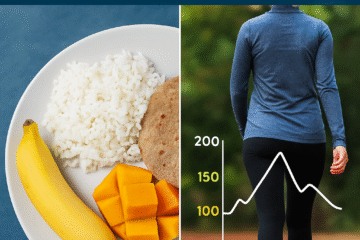
In many low-income communities, carbohydrate-heavy diets with little protein may fuel both malnutrition and metabolic disorders, including diabetes
Scientific References
- Tripathy BB, et al. (1983). Malnutrition-Related Diabetes Mellitus. Diabetes Care, 6(5):515–518.
https://doi.org/10.2337/diacare.6.5.515 - Wu G, et al. (2016). Protein nutrition and malnutrition in childhood. Advances in Nutrition, 7(2): 234–241.
https://doi.org/10.3945/an.115.011254 - Hales CN, Barker DJP. (2001). The thrifty phenotype hypothesis. British Medical Bulletin, 60(1):5–20.
https://doi.org/10.1093/bmb/60.1.5 - Boutry-Regard C, et al. (2006). Low-protein diet during gestation and lactation in rats alters the glucose–insulin axis in offspring. Journal of Nutrition, 136(5):1252–1256.
https://doi.org/10.1093/jn/136.5.1252 - Bhargava SK, et al. (2004). Relation of serial changes in childhood body-mass index to impaired glucose tolerance in young adulthood. The New England Journal of Medicine, 350(9):865–875.
https://doi.org/10.1056/NEJMoa035698
Final Opinion: What Should People Do?
- For parents: Ensure children get enough high-quality protein daily — from eggs, meat, dairy, legumes, and nuts. Malnutrition in early years can cause long-term damage.
- For communities: Nutrition programs should focus not just on calories, but on balanced macronutrients, especially protein.
- For adults: Don’t wait for diabetes to strike — strengthen your muscles, improve your diet, and maintain a healthy body weight.
- For elderly individuals: Increase protein intake to prevent muscle loss and insulin resistance.
- For health systems: Recognize and screen for MRDM (Type 5) in undernourished populations — it’s real, preventable, and treatable.
Closing Thought
Diabetes isn’t just a disorder of sugar metabolism — it also leads to protein deficiency and impaired protein utilization in the body. Malnutrition, especially protein deficiency, is a silent contributor across the diabetes spectrum, from Type 1 to Type 5. Good health starts with healthy eating — and specially what not to eat.